
12/31/2025
WHO IS LUCIEN AND WHY HIS VISION OF RIVER NORTH IS THE BLUEPRINT FOR LUXURY RESIDENTIAL, HOSPITALITY, AND ADAPTIVE REUSE ARCHITECTURE
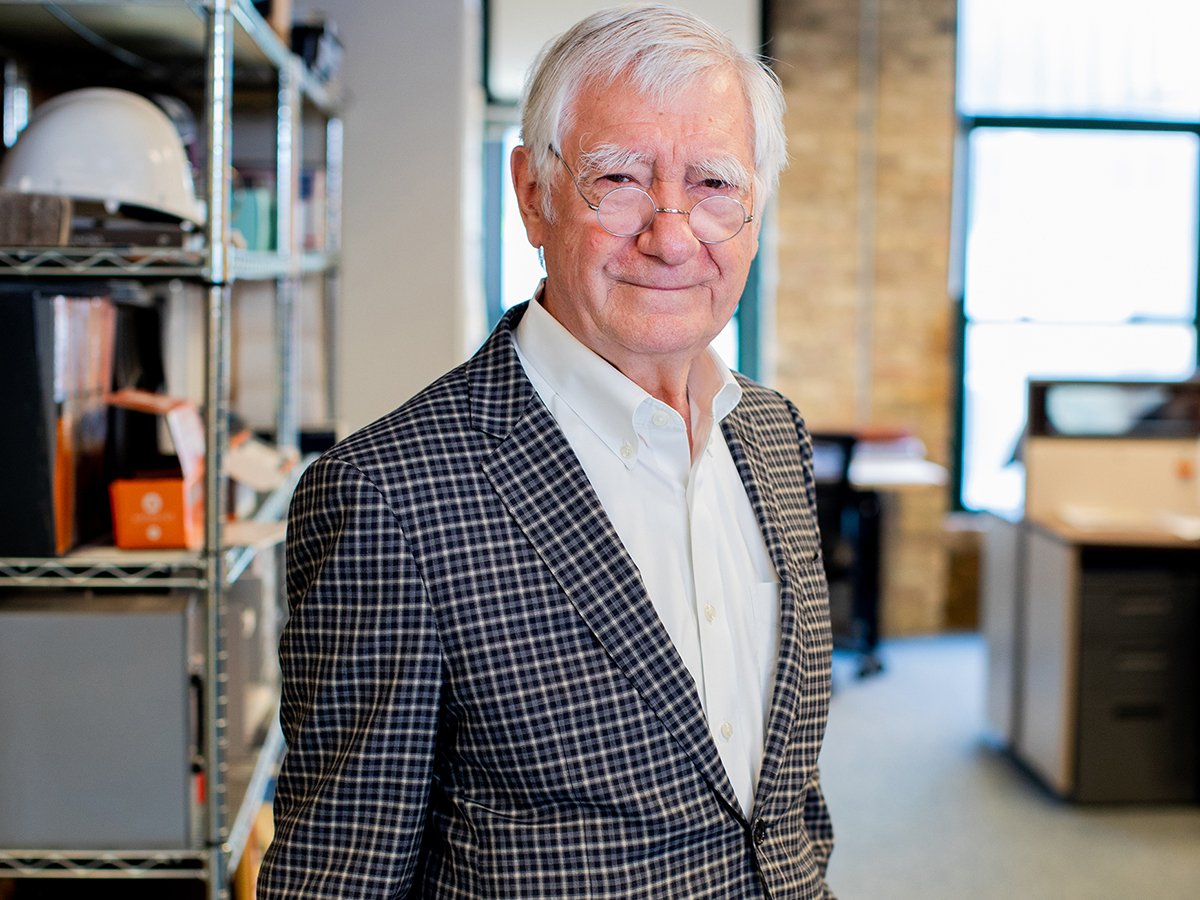
Image created by hotelbusiness.com
Luxury, when done well, is never loud. It does not announce itself with spectacle or novelty, nor does it rely on trend or provocation to justify its existence. True luxury is quieter than that, more deliberate, more exacting, and far more difficult to achieve. It is felt rather than seen, understood over time rather than at first glance. Few architects working today understand this distinction as deeply, or practice it as consistently, as Lucien Lagrange.
To understand Lagrange is to understand a particular philosophy of beauty, one that resists immediacy, rejects disposability, and insists that architecture must first serve the human experience before it can serve the skyline. His vision of Chicago’s River North neighborhood is not simply a portfolio of buildings. It is a manifesto in stone, steel, and proportion. It is also, quietly and unequivocally, a blueprint for the future of luxury residential, hospitality, and adaptive reuse architecture.
Born in France and educated at McGill University in Canada, Lucien Lagrange arrived in the United States with a sensibility shaped by centuries old European urbanism. In Europe, buildings are not conceived as statements but as inheritances. They are expected to age, to patina, to accrue meaning rather than lose relevance. Streets are composed, not improvised. Proportion matters. Detail matters. Context is not an obstacle. It is the point.
This formative worldview would later distinguish Lagrange from many of his contemporaries, particularly during the late twentieth century, when architecture in American cities increasingly chased novelty and visual disruption. Before founding his own firm in 1985, Lagrange worked at Skidmore, Owings & Merrill, where he gained technical rigor and large scale discipline. But it was in establishing Lucien Lagrange Architects that his personal philosophy found full expression.
From the beginning, his work resisted easy categorization. Though often associated with New Classical architecture and New Urbanism, Lagrange’s approach is less about historical imitation than about timelessness. He does not copy the past. He studies it. He understands classical architecture not as a style, but as a system, a language of proportion, hierarchy, and human scale that continues to work because it is rooted in how people actually experience space.
A European Education in Permanence
Born in France and educated at McGill University in Canada, Lucien Lagrange arrived in the United States with a sensibility shaped by centuries old European urbanism. In Europe, buildings are not conceived as statements but as inheritances. They are expected to age, to patina, to accrue meaning rather than lose relevance. Streets are composed, not improvised. Proportion matters. Detail matters. Context is not an obstacle. It is the point.
This formative worldview would later distinguish Lagrange from many of his contemporaries, particularly during the late twentieth century, when architecture in American cities increasingly chased novelty and visual disruption. Before founding his own firm in 1985, Lagrange worked at Skidmore, Owings & Merrill, where he gained technical rigor and large scale discipline. But it was in establishing Lucien Lagrange Architects that his personal philosophy found full expression.
From the beginning, his work resisted easy categorization. Though often associated with New Classical architecture and New Urbanism, Lagrange’s approach is less about historical imitation than about timelessness. He does not copy the past. He studies it. He understands classical architecture not as a style, but as a system, a language of proportion, hierarchy, and human scale that continues to work because it is rooted in how people actually experience space.
Architecture as Experience, Not Object
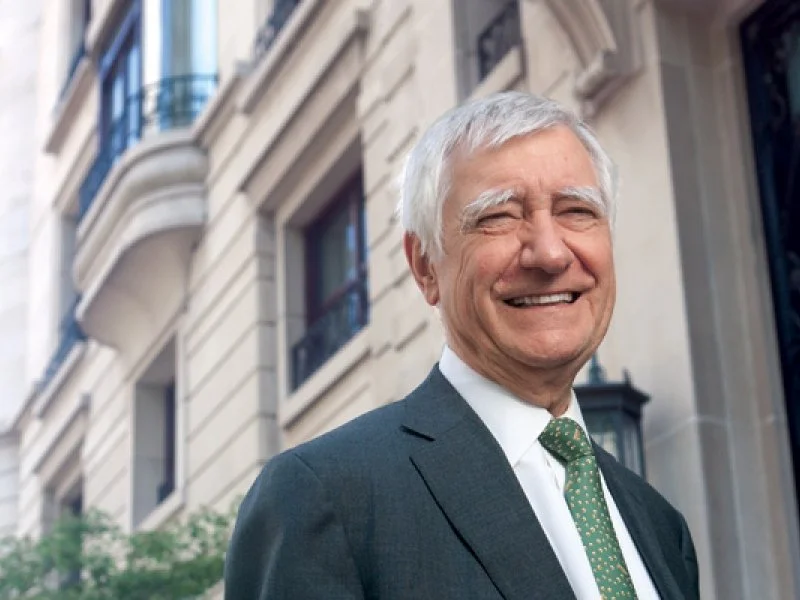
Image created by www.chicagobusiness.com
River North A Living Laboratory

Image created by www.visainfiniteluxuryhotels.ca
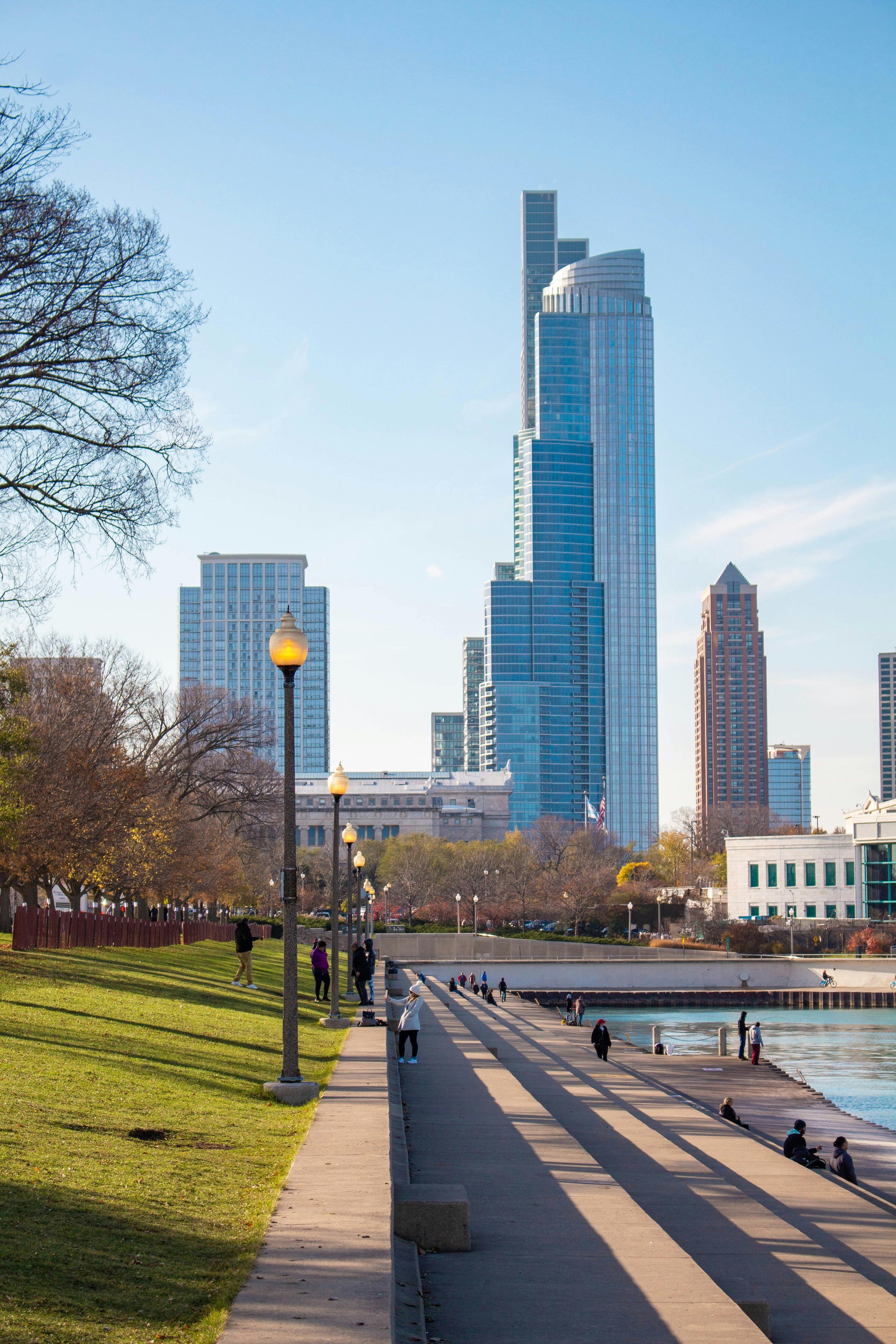
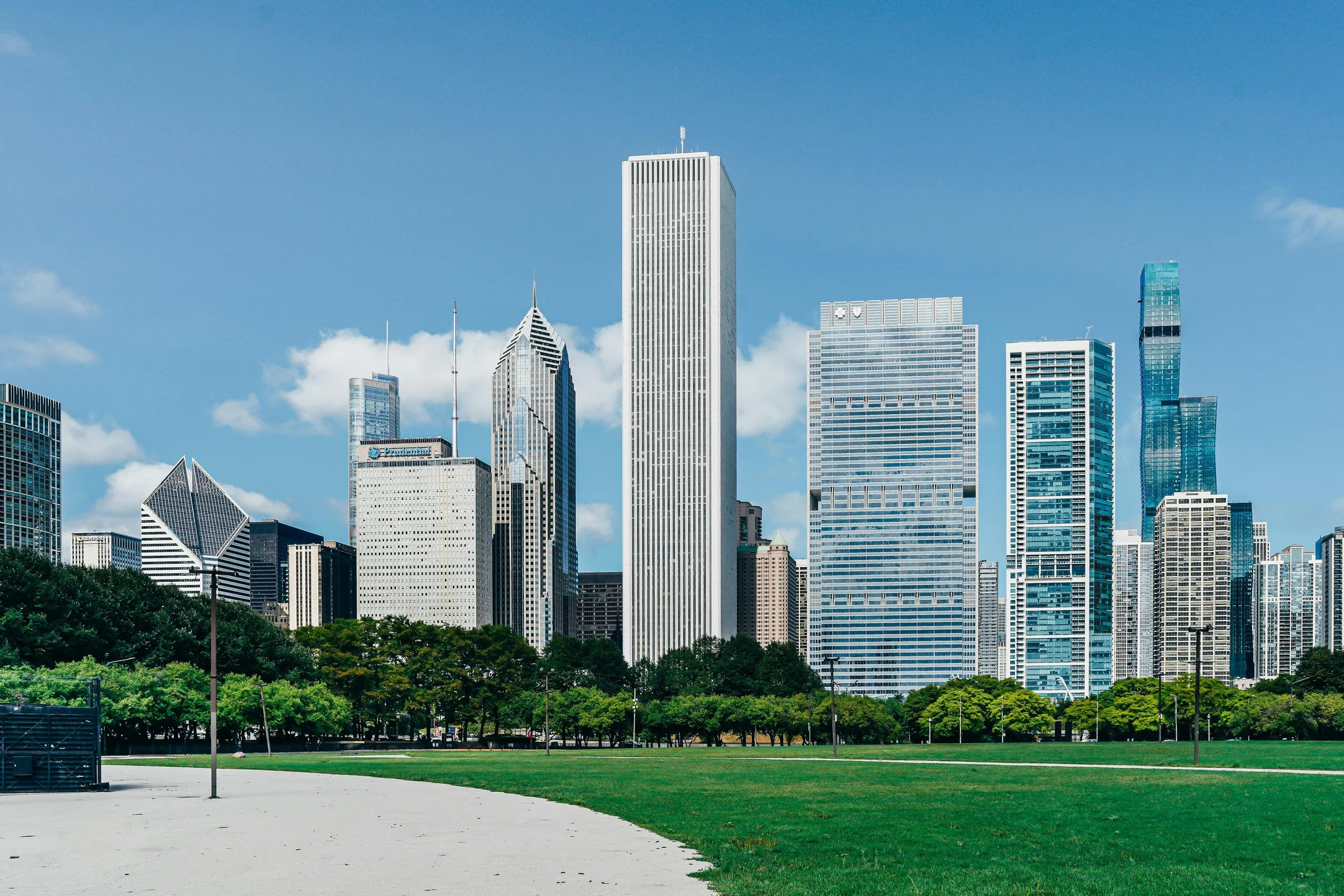
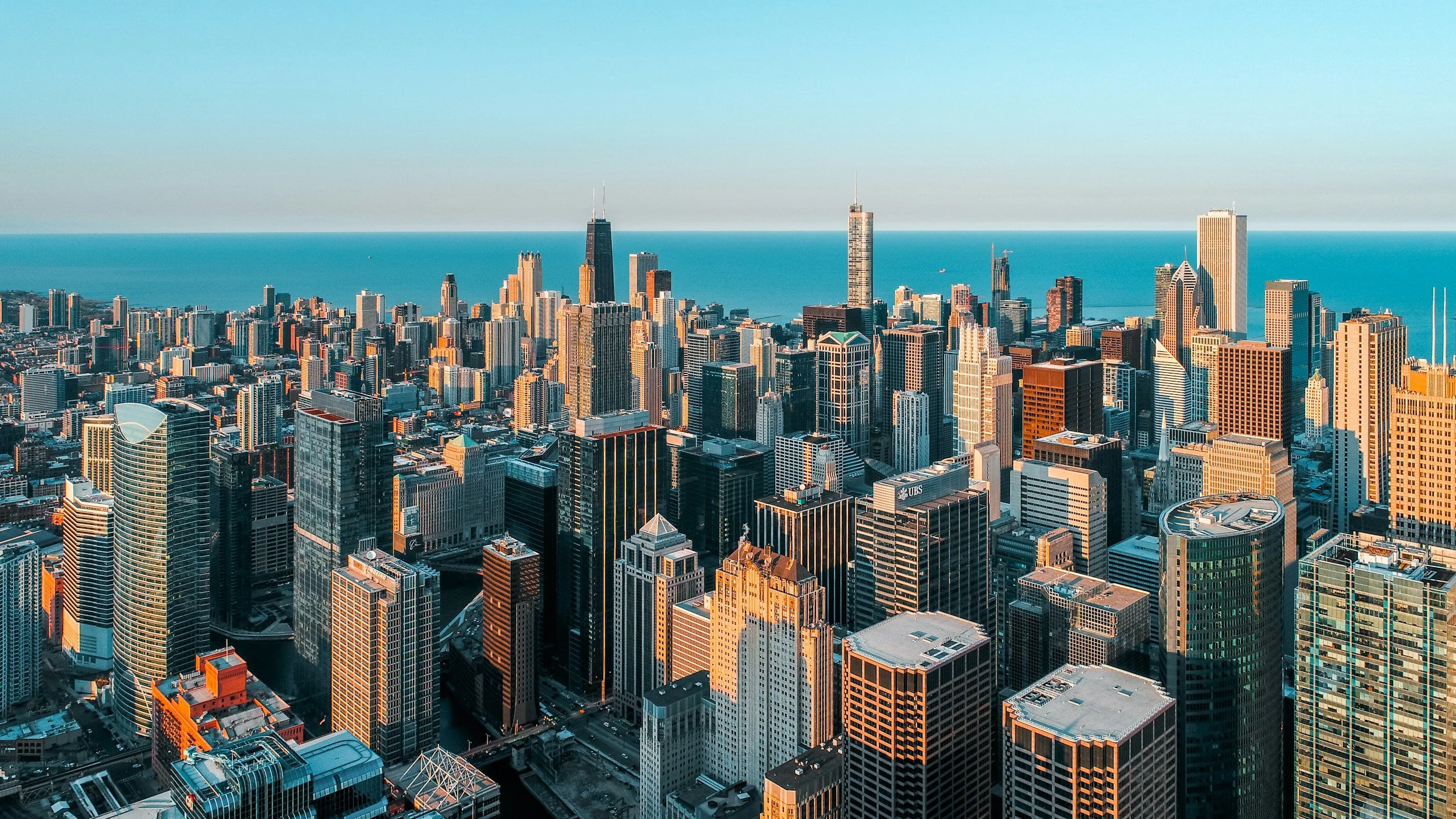
Nowhere is this philosophy more clearly articulated than in River North, a neighborhood Lagrange helped shape over decades. Once a gritty industrial district, River North became one of Chicago’s most desirable residential and cultural neighborhoods, not through wholesale erasure, but through thoughtful evolution.
Lagrange’s projects in the area demonstrate a rare fluency across building types, luxury condominiums, hospitality landmarks, and adaptive reuse projects that honor the past while accommodating contemporary life. Rather than treating each commission as a standalone object, he approached River North as an urban ensemble.
Buildings such as Park Tower, 840 Lake Shore Drive, and nearby residential developments exemplify his ability to introduce density without brutality, grandeur without arrogance. These buildings do not dominate their surroundings. They complete them. They respect street walls, acknowledge neighboring structures, and contribute to a cohesive public realm.
This is where Lagrange’s work becomes instructive, not just aesthetically, but ethically. In an era when luxury development often feels extractive, his vision suggests another model, one in which value is added to the city rather than merely extracted from it.
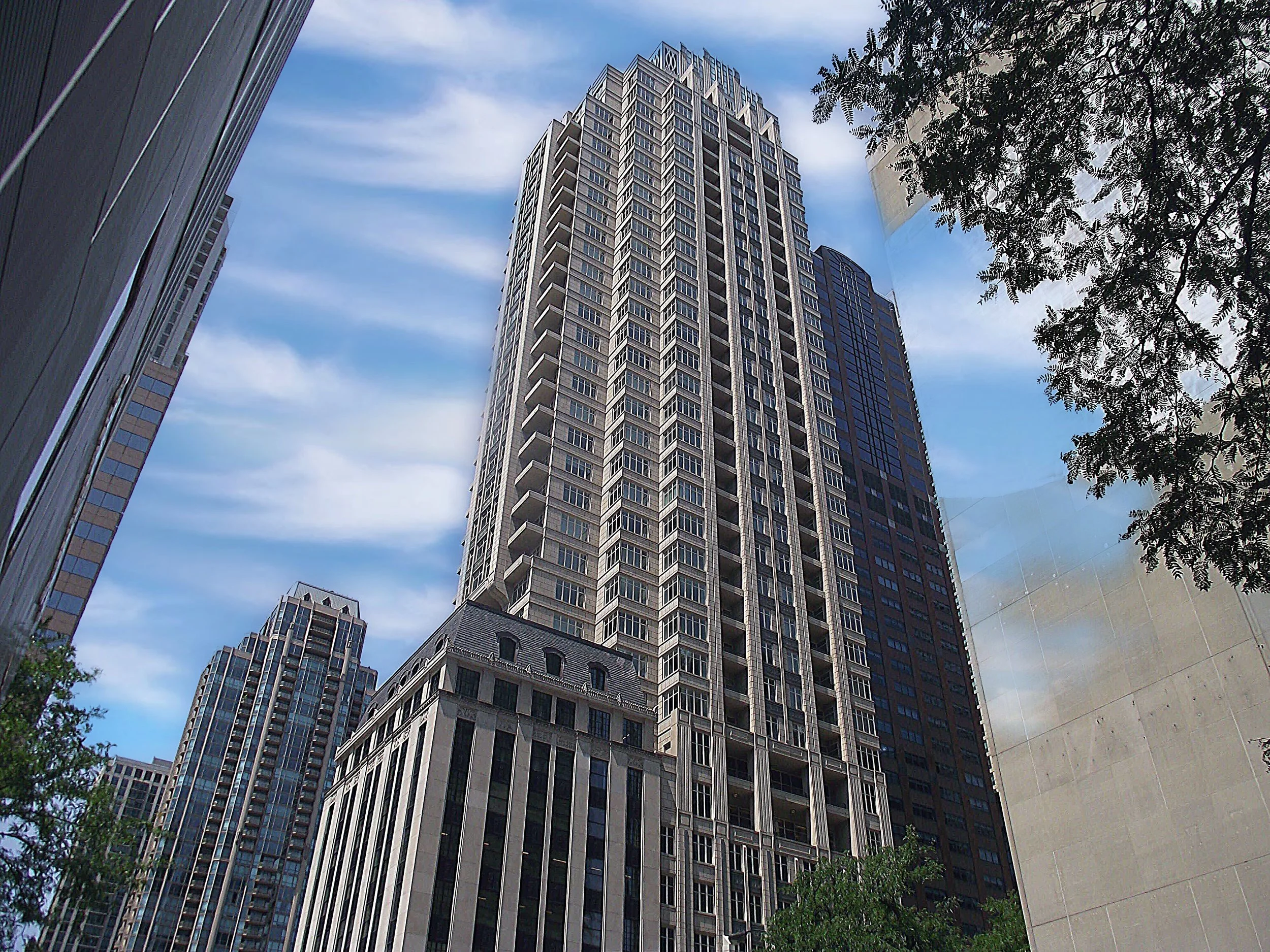
Image created by www.goldcoastrealty-chicago.com
Lagrange’s work in hospitality further underscores his belief in architecture as experience. Projects like the Waldorf Astoria Chicago and Ritz Carlton Residences are not simply luxurious accommodations. They are urban theaters, carefully choreographed to balance grandeur with intimacy.
Hotels, perhaps more than any other building type, reveal an architect’s understanding of human psychology. Guests arrive with expectations, of welcome, of escape, of care. Lagrange meets these expectations not through ostentation, but through sequence and atmosphere. Lobbies feel gracious rather than overwhelming. Circulation is intuitive. Materials are chosen for longevity as much as beauty.
In these projects, luxury becomes a form of hospitality in the truest sense, an act of hosting. This aligns seamlessly with his broader architectural ethos, one that sees buildings as stewards of human experience rather than monuments to ego.
Hospitality as Urban Theater
Adaptive Reuse Respecting the Past Without Freezing It
Perhaps the most quietly radical aspect of Lagrange’s work is his approach to adaptive reuse. In a cultural moment obsessed with either preservation as museum or demolition as progress, he offers a third way. Transformation through respect.
His involvement in projects like Union Station’s renovation demonstrates a profound understanding of continuity. Historic buildings, in his view, are not fragile relics but robust frameworks capable of accommodating new life, if treated with intelligence and care.
Adaptive reuse, for Lagrange, is not about nostalgia. It is about stewardship. It requires humility, restraint, and a willingness to listen to what a building already is before deciding what it should become. This approach not only preserves architectural heritage. It produces spaces that feel authentic rather than themed.
In River North, where former warehouses and industrial structures coexist with new development, this sensibility has proven essential. It allows the neighborhood to evolve without losing its soul.
One of Lagrange’s most consistent, and most countercultural, beliefs is that buildings should gain value over time. This is not merely a financial assertion, though his projects have proven durable investments. It is a cultural one.
In an age of fast architecture, where novelty is often mistaken for innovation, Lagrange’s work insists on longevity. Materials are selected for how they age, not just how they photograph. Details are crafted to withstand use, weather, and time. Proportions are chosen because they work, not because they shock.
This commitment to endurance is what makes his vision of River North so instructive. The neighborhood’s success is not accidental. It is the result of architecture that anticipated the future by respecting the past and serving the present.
Enduring Value in an Age of Disposability
Today, through Lucien Lagrange Studio and his role as a consulting design principal, Lagrange continues to influence projects beyond Chicago. His legacy, however, is already secure, not because of awards or accolades, but because of how his buildings function in daily life.
They are lived in. They are returned to. They are trusted.
In a profession often driven by personality and provocation, Lagrange’s influence is quieter but deeper. He has demonstrated that luxury can be humane, that density can be gracious, and that cities can grow without losing their dignity.
The Quiet Influence of a Master
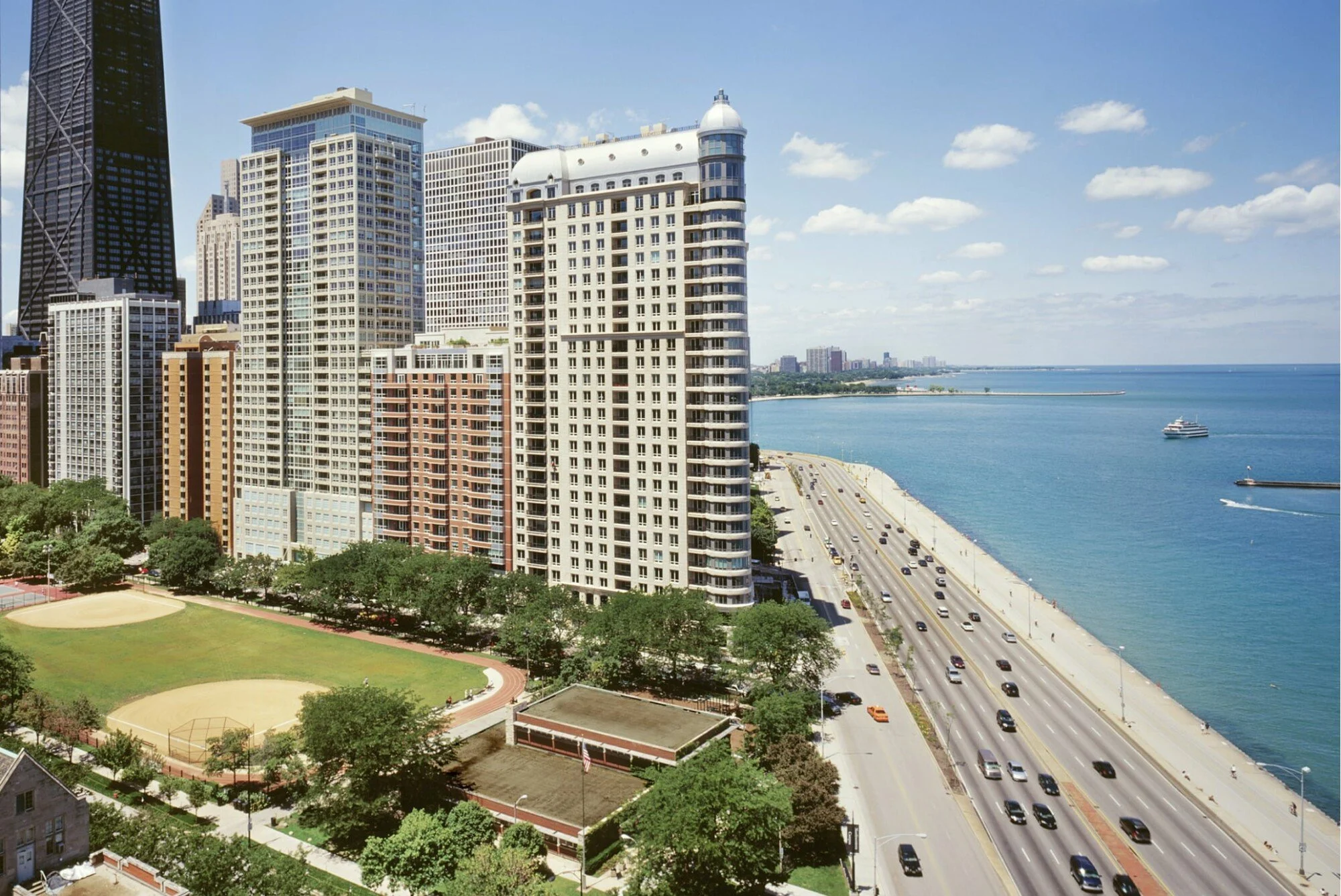
Image created by lucienlagrange.com
One of Lagrange’s most consistent, and most countercultural, beliefs is that buildings should gain value over time. This is not merely a financial assertion, though his projects have proven durable investments. It is a cultural one.
In an age of fast architecture, where novelty is often mistaken for innovation, Lagrange’s work insists on longevity. Materials are selected for how they age, not just how they photograph. Details are crafted to withstand use, weather, and time. Proportions are chosen because they work, not because they shock.
This commitment to endurance is what makes his vision of River North so instructive. The neighborhood’s success is not accidental. It is the result of architecture that anticipated the future by respecting the past and serving the present.
Enduring Value in an Age of Disposability
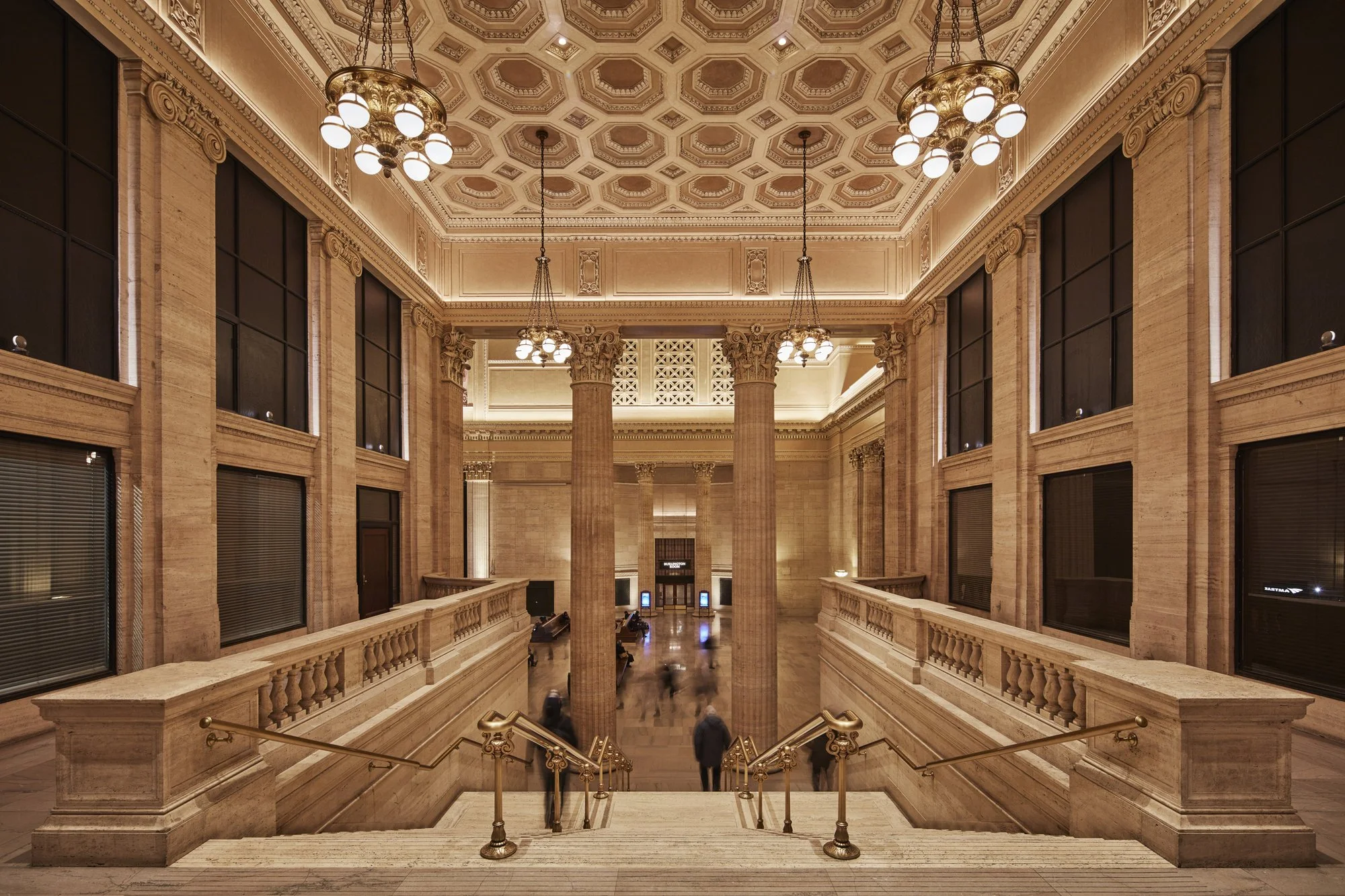
Image created by www.ritzcarlton.com
Today, through Lucien Lagrange Studio and his role as a consulting design principal, Lagrange continues to influence projects beyond Chicago. His legacy, however, is already secure, not because of awards or accolades, but because of how his buildings function in daily life.
They are lived in. They are returned to. They are trusted.
In a profession often driven by personality and provocation, Lagrange’s influence is quieter but deeper. He has demonstrated that luxury can be humane, that density can be gracious, and that cities can grow without losing their dignity.
The Quiet Influence of a Master
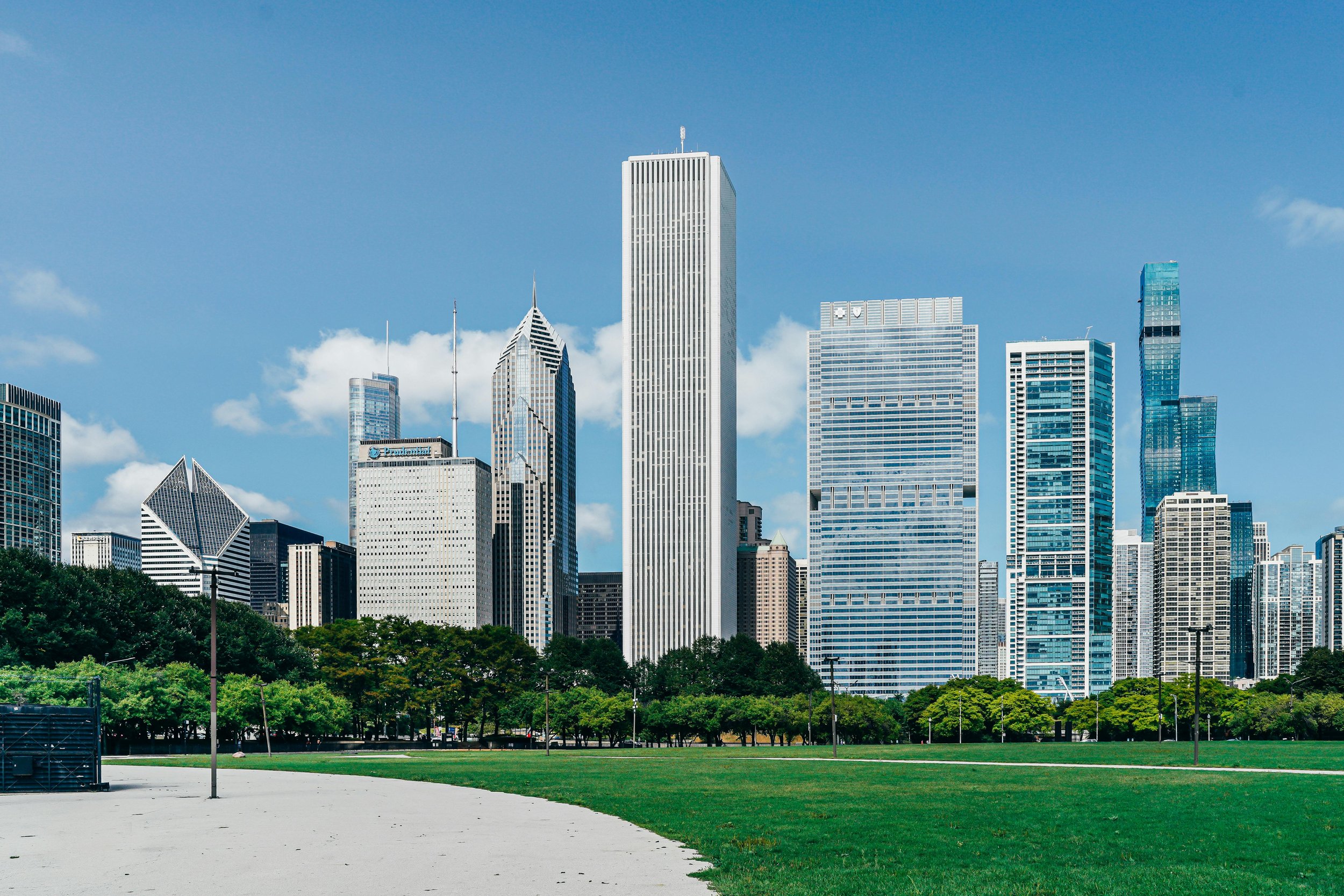
River North, as shaped by Lucien Lagrange, offers a compelling answer to one of architecture’s most pressing questions. How do we build for wealth, density, and modern life without sacrificing beauty, continuity, and human scale?
The answer lies not in a single style or solution, but in a way of thinking. It lies in treating architecture as a long conversation rather than a loud statement. It lies in designing for people first, skyline second. It lies in believing that excellence is not elitist, and that care is not inefficient.
This is why Lagrange’s vision matters now more than ever. As cities grapple with redevelopment, adaptive reuse, and the evolving meaning of luxury, his work offers a blueprint, one rooted in dignity, experience, and time.
Not every building needs to shout.
Some are meant to endure.
And in that endurance, Lucien Lagrange has quietly shown us the future.
Why River North Is the Blueprint
Notable Projects
Lucien Lagrange has designed or influenced many significant buildings, including:
Park Tower in Chicago
Waldorf Astoria Chicago
Ritz-Carlton Residences (Chicago)
840 Lake Shore Drive and 2550 Lincoln Park
Union Station renovation
Kingsbury on the Park